By Luke Kelly
In 2014, more than 40 years after the disappearance of Jean McConville, Gerry Adams was arrested for the abduction and murder of Jean McConville. Adams had established himself as a prominent politician in Northern Ireland and therefore he did not want to be arrested and dragged out by the police, so instead he decided to turn himself in to save the embarrassment and protect his political appearance. Based on the tape recordings from the Boston College Project, the PSNI believed they had enough evidence to arrest and question Gerry Adams. Recordings from Dolours Price and Brendan Hughes asserted that Gerry Adams was the commanding officer who ordered the murder back in 1971. Adams has asserted that the tapes from Price and Hughes linking him to the disappearance of Jean McConville are invalid “because they were aggrieved opponents to the peace process, so their accounts must be dismissed entirely. (Keefe 314).” When questioned by the PSNI, Gerry Adams made use of his old tactic that was yet to fail him, simply denying everything. When asked about Jean McConville and being commanding officer of the Belfast Brigade, Adams would simply deny that he was ever in the I.R.A. and insist that he has no information relating to Jean McConville.

The arrest of Gerry Adams became a hot topic of debate. On one hand, it seemed that they had a small degree of evidence linking Adams to the death of Jean McConville, but on the other hand, arresting the main promoter behind the peace process was obviously not a practical step to ensuring the peace in Northern Ireland for the foreseeable future. The issue that was raised by this is whether or not it is worth prosecuting individuals on crimes they committed in the past if it could essentially lead to a more violent future. Gerry Adams undoubtedly committed crimes in the past. He was the commanding officer of the Belfast Brigade and he played a major role in the decades-long conflict. It is a tough situation because obviously people should be brought to justice for the crimes they committed, but there is no point to do that if it will only create more violence. It becomes a matter of how far law enforcement should go in terms of holding people accountable and if it will ultimately have a negative impact on the peace process by leading to increased sectarian violence. The cultural and political divide in Northern Ireland is still very prevalent and it is still a fragile situation. If Gerry Adams and other former leaders of the I.R.A. were charged with actions they committed during the Troubles, it would undoubtedly lead to a rise in tension and reemergence of Irish Republican violence. If Gerry Adams was charged with the murder of Jean McConville and received a lengthy sentence, Irish Republicans would look at the situation and basically assume that the peaceful route did not work and would almost certainly to violence. By becoming the most powerful Republican politician in Northern Ireland, Gerry Adams essentially positioned himself in a bubble of protection because if anything happened to him the ripple effect would more than likely return Northern Ireland to a warzone. Gerry Adams committed crimes in the past, but he had become untouchable.
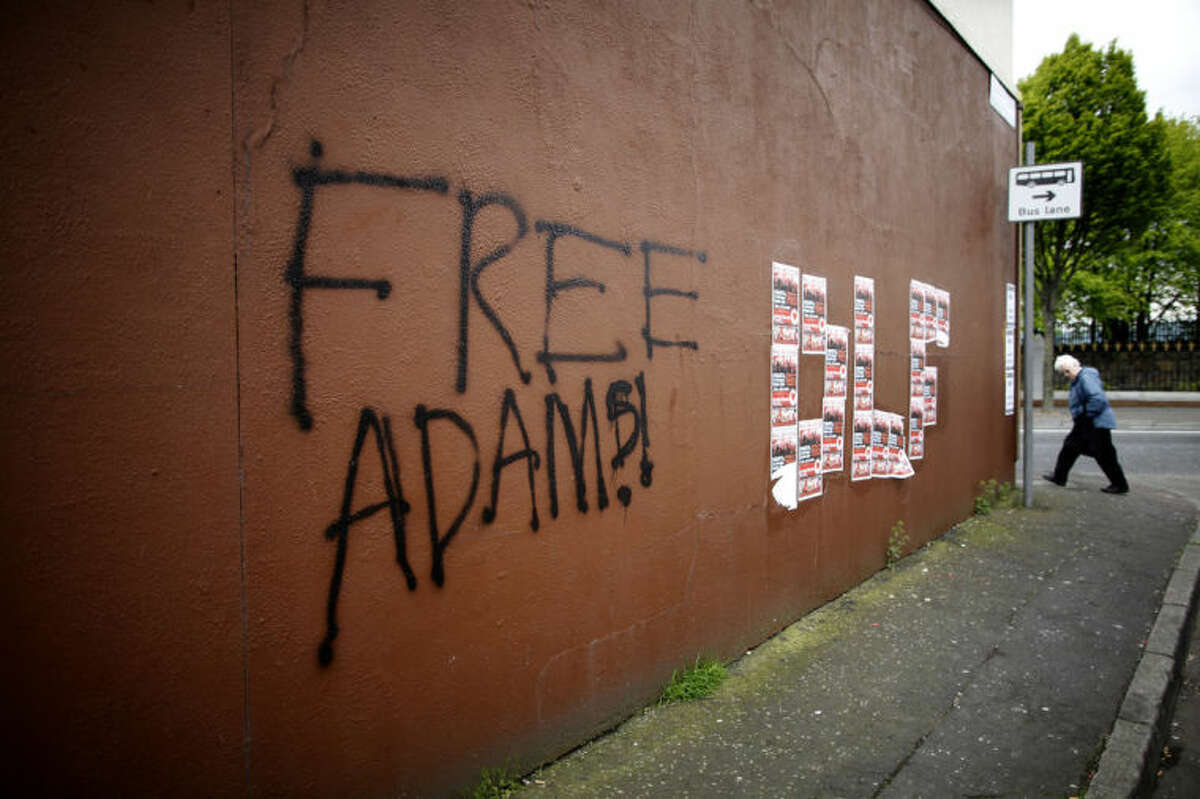
Gerry Adams was eventually released after four days because they had no physical evidence linking him to the crime and would not be able to successfully prosecute him. All they had was the interviews from Price, Hughes, and Bell, verbally stating that Adams was responsible for the disappearance, which is not enough to amount to a prosecution. After Adams was released, he proclaimed his innocence and announced that the allegations brought against him were a “sham” to make Sinn Fein look bad. Adams attempted to distance himself from the I.R.A. and the violent past by declaring that the I.R.A. was finished and the window was open for the peace process. The arrest of Gerry Adams raised the debate that is at the core of the peace and reconciliation process in Northern Ireland. As the commanding officer of an illegal paramilitary organization, Gerry Adams undoubtedly committed crimes in the past, but the issue became whether or not it is really worth it to reopen a decades-old wound if it would only further the violence. This just goes to show the key problems that have amounted from the peace process. Moving on from the past is better for the whole, however some people have been so deeply impacted on a personal level by the events of the Troubles that it makes it very hard to move forward without answers and justice.
References:
“Gerry Adams Freed in Jean McConville Murder Inquiry.” BBC News. BBC, May 4, 2014. https://www.bbc.com/news/uk-northern-ireland-27278039.
Keefe, Patrick Radden. Say Nothing: A True Story of Murder and Memory in Northern Ireland. Doubleday, 2019, pp. 313-338.
 A Reader's Guide to Say Nothing