By Kayla Whalen
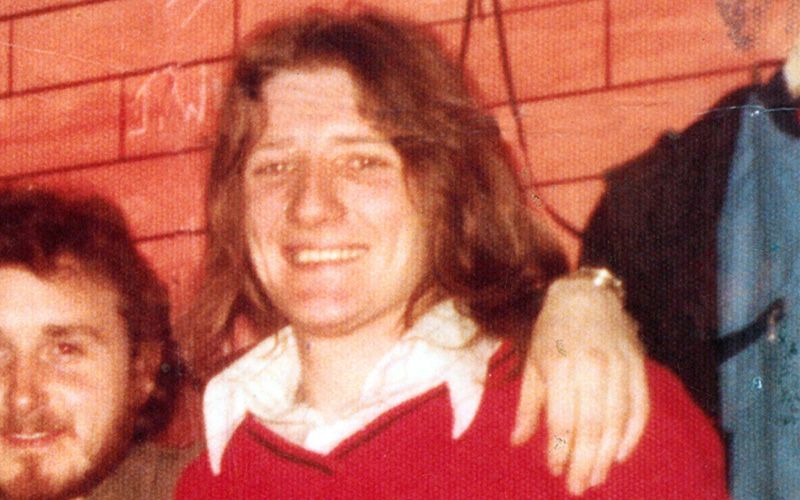
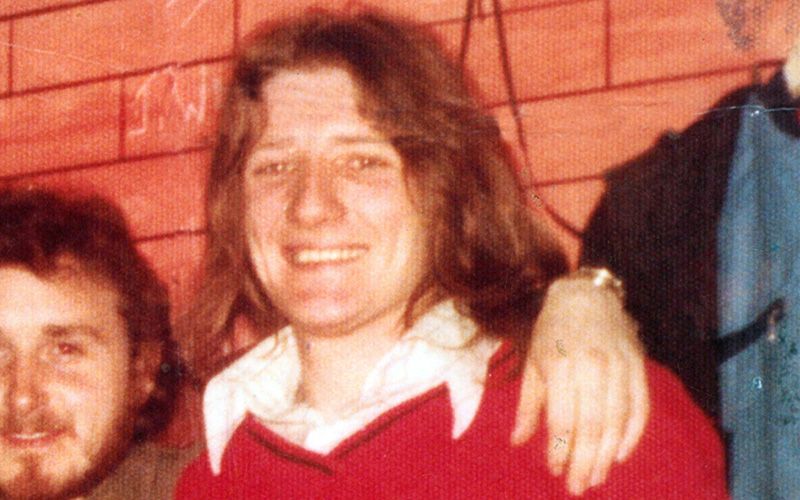
On March 1st, 1981, a hunger strike began at the Maze Prison when Bobby Sands began to refuse his food. The prisoners were demanding more freedom inside the prison, such as the right to wear their own clothes and the right to not have to do prison work. In 1972, William Whitelaw, the British Secretary of State for Northern Ireland, granted Special Category Status to prisoners who were serving time for crimes that were Troubles-related. However, by 1976 the status was slowly phased out in the Maze Prison, creating anger and tension between the prisoners and the guards. As a result of this phasing out, hunger strikers in 1981 protested to be seen as political prisoners who were fighting for their country, and not as prisoners who committed petty or selfish crimes. They believed they should be treated with dignity instead of as some lowlife criminal. It was not the first strike to ask for these demands, as there was a hunger strike in 1980 that Brendan Hughes was a part of, but it was arguably the most serious. From March first to August twentieth, ten of the strikers died. The strikers decided to start at different times to prolong the resistance, as in previous strikes, everyone involved would reach a point when they would have to completely call it off or die. This would put more pressure on the government by prolonging the strike and gaining more support. The latter definitely came true.
By Bobby Sands starting this strike, he created a watershed moment in history. During the strike, a member of the British Parliament passed away. There was some talk of who would run to fill the spot from different parties and such, but Bobby Sands was ultimately chosen to run as the candidate and was made a member of British Parliament on April 9th, 1981. His election drew tremendous attention, and caused many to worry about what would happen after his eventual death. So much attention was received, even Pope John Paul II wrote to Sands to give up the strike (History). At a time when support for the strike was low, and even the IRA believed this to be a separate event out of their jurisdiction, this election brought everything together and united the IRA, the strike, and the support at one moment. Sands was the first to start the strike, and he was the first to die. However, his funeral drew more than 100,000 people in support of the IRA and the movement. Still, Margaret Thatcher refused to give in to the prisoners demands, and is famous for saying that “We are not prepared to consider special category status for certain groups of people serving sentences for crime. Crime is crime is crime, it is not political,” (BBC News). Nine more strikers died in the days in weeks that followed Sands death.
Using a hunger strike as a political tactic has proved effective in many cases, even in ways one might not expect. Sands wrote a diary entry each day of his strike, detailing his obstacles, political views, and relationship with religion and death. He knew that his diary would be read by a large audience after his death and he knew what to say to raise the most support for the IRA. On the first day of the strike, he wrote “Foremost in my tortured mind is the thought that there can never be peace in Ireland until the foreign, oppressive British presence is removed, leaving all the Irish people as a unit to control their own affairs and determine their own destinies as a sovereign people, free in mind and body, separate and distinct physically, culturally and economically” (Sands, 1). This sentence is powerful, and really would have been for the audience it was intended for as it was a man risking his life for the peace of those who would live on. He was encouraging many to push back against the British, or else peace would never come. While we know today that is not necessarily true, as Gerry Adams and the Good Friday Agreement prove that peacefully coexisting with the British was possible, Sands could see no other option. He was willing to do anything for peace in Ireland. Just as Brendan Hughes and Dolours Price committed murder among other crimes, Sands starved himself for the future of Ireland.
References:
History.com Editors. (2010, February 9). “IRA Militant Bobby Sands Dies.” Retrieved November 22, 2020, from https://www.history.com/this-day-in-history/ira-militant-bobby-sands-dies
BBC News: “What Happened in the Hunger Strike?” (May 5, 2006). Accessed November 22, 2020 from http://news.bbc.co.uk/2/hi/uk_news/northern_ireland/4941866.stm
Sands, Bobby. “Prison Diary.” (1981). Bobby Sands Trust. Accessed December 8th, 2020. https://www.bobbysandstrust.com/writings/prison-diary/
Picture: https://www.irishcentral.com/uploads/article/116721/CUT_craic_piece_Bobby_Sands_famous_image.jpg
 A Reader's Guide to Say Nothing