By Kayla Whalen
Many members of the IRA experienced something referred to as “moral injury.” Dolours and Marian Price, along with Brendan Hughes all suffered from their duties in the IRA later in their life. The Price sisters almost died in a hunger strike of their own, which caused them to have an odd relationship with food. Dolours especially suffered after the strike, decades later she still seemed to be battling eating disorders. However, moral injury refers to something a little less obvious yet a little more painful and disturbing. Keefe describes it as “…a notion, distinct from the idea of trauma, that relates to the ways in which ex-soldiers make sense of the socially transgressive things they have done during wartime” (299). Hughes and the Price sisters committed crimes every day for the IRA. They drove innocent people to their deaths because they believed anyone not dedicating their entire life to the IRA was part of the problem. Rumors ended with the disappearance of single mothers and young men just out of school. But to these dedicated members of the IRA, it was worth it to save Ireland from the British. Yet, with the Good Friday Agreement allowing British to stay in Ireland and calling a truce among the violence, ex-members of the IRA had a lot to deal with.
The man giving the Price sister and Hughes orders knew what was going on. He allowed for hunger strikers to die and for Jean McConville’s body to disappear. Gerry Adams was once a friend to these members, but with becoming the leader of Sinn Fein, he rejected any involvement with the IRA and any knowledge he had about the crimes committed. He removed himself from both the crime and the reason for the crime. Price and Hughes had to live with the crimes they committed at the order of Adams only to have Adams remove himself from any blame. Their morality was injured by having no good justification for any of the murders they helped commit or did themselves. If the countless murders and sacrifices did not lead to a free Ireland, what was it for? Up until their deaths, Price and Hughes both suffered from their younger days. Hughes became a heavy drinker, while Price still had an issue with food and later turned to pills. Both of their marriages suffered along with their mental health, as they had frequent nightmares and visions of the past. They were never the same after the IRA because they could never figure out how to live a full life while dealing with the trauma of what they had done in the name of resisting the British.
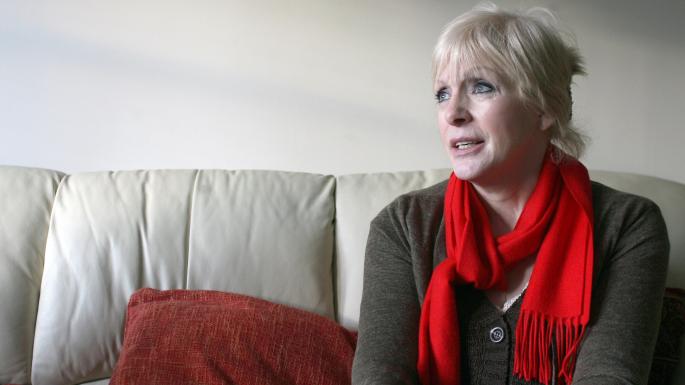
Neither Price nor Hughes got to live peaceful lives, as they fought physically for years and in the time after the IRA they had to fight with their moral injuries and mental battles. Hughes was able to find some outlet by being interviewed by Mackers and getting to express his anger, but it would never be enough to fully resolve his negativity towards the changes in modern day Ireland. This moral injury could be felt by anyone involved, IRA and British, and anyone in between. The case of Steakknife created tension and confusion within the British ranks, and the case of Jean McConville left her children feeling this anger towards the whole situation, as it caused their mother to disappear. While Sinn Fein and the rest of Ireland were ready to accept a new phase without constant violence and murder, many former IRA members, British officers, and anyone who got a close up look at the atrocities committed were left with scars, both mental, and in many cases, physical.
References:
CBS News. “Dolours Price, Irishwoman at Center of IRA Tapes Story, Found Dead at Home.” (2013, January 24th). Accessed December 8th, 2020. https://www.cbsnews.com/news/dolours-price-irishwoman-at-center-of-ira-tapes-story-found-dead-at-home/
 A Reader's Guide to Say Nothing
