By William Mueller
Many members of the IRA were unsure about recording the tapes, even when confidentiality was guaranteed. Brendan Hughes and Dolores Price specifically were upset with how Gerry Adams continuously denied any involvement or responsibility with the IRA. His utter denial upset many of the people, but they also understood that the British were trying to pin crimes from the IRA on Gerry Adams to get him arrested. Adams was the leader of Sinn Fein, which was a formal political party in Ireland. In the book about Brendan Hughes’ life, Voices from the Grave, it would make it “impossible for certain forms of historical denial to continue in public life” (Keefe 285). Hughes said in his tape that the murder of McConville was ordered by their IRA leader, Gerry Adams. Gerry Adams later said that he knew who Hughes was and that he was mentally unstable during the interview process. It shows how focused Adams was on his political success because he backstabs his former IRA members. Instead of being a leader and taking responsibility, it seems that Adams was willing to talk poorly about anyone for his own personal political gain. This is what upset so many people and what motivated a lot of former IRA members to be interviewed for the Belfast Project. Brendan Hughes’ tapes leaked information and Moloney worried that the government would seek a second subpoena to get more information on IRA membership and involvement.
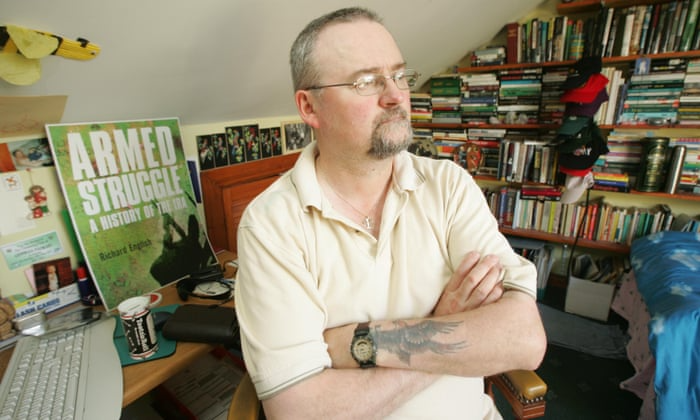
Before the tapes were recorded, there was much speculation between Ed Moloney on whether or not to continue with the tapes because he may gain the reputation as a “tout”. A tout is someone who is informing against the IRA movement, in order to help the PSNI. It is generally looked down upon to speak of past involvement in the IRA because the word may spread to the wrong people. Anthony McIntyre began collecting the tapes in 2001 and it was a full time job for him for nearly six years, albeit in secrecy. He said, “We were tight about it. I would approach people who I was absolutely certain, as far as one could be, that they wouldn’t run blabbering it to the IRA and expose the whole project”. It was imperative for the tapes to be kept a secret because the history would not be recorded without the utmost trust and secrecy. Richard O’Rawe told McIntyre about secret negotiations behind the prison strike in 1981. O’Rawe said, “I needed to know the guy I was telling this to could be trusted one billion percent (Lieu, 2014).” McIntyre was a trustworthy man to give the interviews because he was a former IRA member, backing out of the IRA after the Good Friday Agreement was reached. McIntyre also spent over 15 years imprisoned at Long Kesh for crimes associated with the IRA.
References:
Lieu, Derek. “Secrets from Belfast.” Chronicle.com, 2014, http://www.chronicle.com/article/secrets-from-belfast/.
Keefe, Patrick Radden. Say Nothing: A True Story of Murder and Memory in Northern Ireland. Doubleday, 2019, pp. 223-348.
 A Reader's Guide to Say Nothing